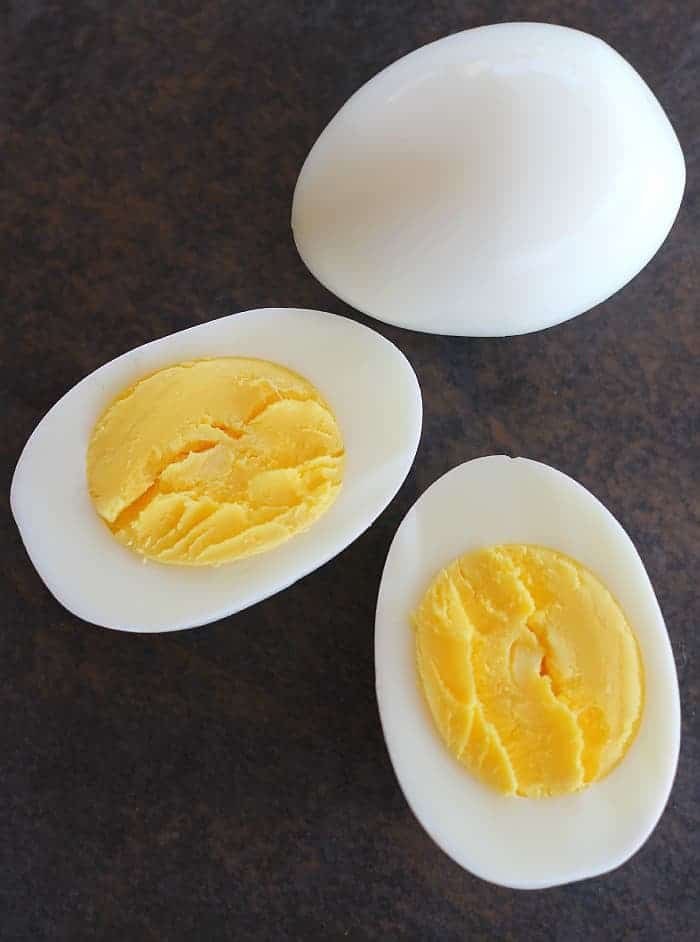
The Elusive Quest for the Perfectly Peelable Hard Boiled Egg
Ah, the humble hard-boiled egg. A breakfast staple, a salad enhancer, a picnic essential – versatile, nutritious, and undeniably delicious. Yet, for all its simple virtues, one challenge consistently vexes even the most seasoned home cooks: achieving that pristine, perfectly peelable hard-boiled egg. We've all been there: painstakingly chipping away at a stubborn shell, only to have chunks of precious egg white tear away with it, leaving a cratered, unappetizing mess. The dream is a smooth, unblemished egg, effortlessly freed from its casing. But how do you consistently achieve these perfect hard boiled eggs? The secret, it turns out, lies not in magic, but in understanding a bit of science and mastering a few simple techniques.
This comprehensive guide will reveal the secrets to stress-free peeling, ensuring your hard-boiled eggs are always a joy to prepare and consume. Say goodbye to frustration and hello to flawless, perfectly peelable delights!
The Science Behind a Stubborn Shell: Why Peeling is So Hard
Before we dive into solutions, it's helpful to understand the root cause of the problem. Why do some eggshells cling so tenaciously to the albumen (egg white), while others practically leap off? The answer involves a fascinating interplay of egg freshness, pH levels, and temperature.
- Freshness is the Foe: This is arguably the most significant factor. Very fresh eggs (just a few days old) have a lower pH level, causing the inner membrane to bond very tightly to the egg white. As an egg ages, its pH naturally increases. This higher alkalinity weakens the bond between the albumen and the shell membrane, making peeling significantly easier.
- The Inner Membrane: Just inside the shell are two membranes – an outer and an inner one. These membranes act as a protective barrier. When an egg is cooked, the proteins in the egg white coagulate and can fuse with the inner membrane if the conditions aren't right.
- Temperature Dynamics: How an egg is cooled after cooking also plays a critical role. A sudden drop in temperature causes the egg white to contract rapidly, separating it from the inner membrane and shell. This "thermal shock" is key to an easy peel.
Understanding these elements is the first step towards consistent success in achieving perfect hard boiled eggs that peel like a dream.
Pre-Cooking Secrets: Setting the Stage for Easy Peeling
The journey to a perfectly peeled egg often begins before the water even boils. Here are some essential pre-cooking strategies:
1. Age Your Eggs Wisely
As mentioned, egg freshness is paramount. While incredibly fresh eggs are wonderful for scrambling or frying, they are your nemesis for hard-boiling. Aim for eggs that are at least 7-10 days old, if not a couple of weeks. If you buy a carton of eggs, use the freshest ones first for other recipes, and set aside the older ones specifically for hard-boiling. Don't worry, even older eggs (within their best-by date) are perfectly safe and delicious for this purpose.
2. The Baking Soda Trick (Optional, but can help)
Some cooks swear by adding a small amount of baking soda (about 1/2 teaspoon) to the boiling water. The theory is that baking soda slightly increases the alkalinity of the water, which in turn can help raise the pH of the egg surface and weaken the bond between the albumen and the membrane. While its effectiveness is debated and often subtle compared to egg age, it's a harmless addition you can experiment with.
3. Start with Cold Water (Mostly)
While some methods suggest adding eggs to already boiling water, starting with cold water has a couple of benefits, especially for preventing cracks and achieving a more evenly cooked yolk (no green rings!). Place your eggs in a single layer at the bottom of a pot, then fill with cold water to cover the eggs by about an inch. Slowly bring the water to a rolling boil over high heat. This gentle increase in temperature reduces the risk of thermal shock that can cause fresh eggs to crack.
For a detailed guide on the boiling process itself, refer to our article: Master Perfect Hard Boiled Eggs: A Step-by-Step Guide.
Post-Cooking Magic: The Cooling and Peeling Techniques That Work
Once your eggs are perfectly cooked (typically 10-12 minutes for a firm yolk after reaching a rolling boil, then removing from heat and letting sit covered for the remainder of the time), the post-cooking treatment is where the real magic happens for easy peeling.
1. The Essential Ice Bath
This step is non-negotiable for perfect hard boiled eggs. Immediately after cooking, transfer your hot eggs from the pot directly into a bowl of ice water. A true ice bath, not just cold tap water, is crucial. The rapid and drastic temperature drop causes the egg white to contract quickly, pulling it away from the shell membrane. This creates a tiny gap that makes peeling significantly easier. Let the eggs sit in the ice bath for at least 5-10 minutes, or until they are completely cool to the touch. You might even hear a subtle "ping" sound as the internal contraction occurs.
2. Crack, Roll, and Peel Under Water
Once the eggs are thoroughly chilled, it's time to peel. Here's a method that works wonders:
- Gentle Cracking: Take an egg and gently tap it all over a hard surface (countertop, cutting board) until the shell is finely cracked into a mosaic pattern. Pay special attention to the large end, where the air pocket is located.
- Roll: Place the cracked egg on the counter and gently roll it under your palm, applying light pressure. This helps to further loosen the shell fragments and membrane.
- Peel Under Water: The most effective peeling technique is to do it under cold running water or submerged in a bowl of water. The water helps to get under the membrane, lubricating it and helping to separate it from the egg white without tearing. Start peeling from the larger end where the air pocket usually is – this is often the easiest starting point.
- Remove the Membrane: As you peel, try to get under the thin membrane that lines the shell. If you can grab hold of it, the shell will often come off in larger pieces, bringing the membrane with it and leaving a smooth egg behind.
Common Peeling Mistakes to Avoid for Perfect Hard Boiled Eggs
Even with the best intentions, certain missteps can derail your efforts. Steer clear of these common mistakes:
- Peeling Hot Eggs: Trying to peel an egg that hasn't been properly cooled is a recipe for disaster. The egg white is still too soft and will cling to the shell, tearing easily. Patience with the ice bath is key.
- Using Overly Fresh Eggs: As highlighted, this is the number one culprit. Resist the urge to hard-boil eggs that are only a day or two old.
- Not Using an Ice Bath: Simply letting eggs cool on the counter or under lukewarm water isn't sufficient to create that crucial rapid contraction.
- Being Too Aggressive: While you want to crack the shell, don't crush the egg. Gentle tapping and rolling are sufficient. Aggressive handling can bruise the egg white or make it harder to remove the membrane cleanly.
- Ignoring the Air Pocket: The air pocket at the large end of the egg is your friend. It's typically where the membrane is easiest to separate, offering a natural starting point for peeling.
- Incorrect Cooking Time: While not directly a peeling issue, overcooked eggs can sometimes become rubbery and more difficult to peel cleanly due to changes in protein structure. They also develop an unsightly green ring around the yolk. Learn how to avoid this by reading our guide: No More Green Yolks: Perfect Hard Boiled Eggs Guaranteed.
Conclusion: The Art of the Effortless Peel
Achieving perfect hard boiled eggs that peel effortlessly is not a matter of luck, but a combination of thoughtful preparation and precise technique. By understanding the role of egg freshness, employing an immediate and thorough ice bath, and utilizing the right peeling method (especially under water), you can transform a once-frustrating kitchen task into a consistently satisfying experience. Embrace these secrets, and you'll be rewarded with beautifully smooth, unblemished hard-boiled eggs every single time – ready to be enjoyed in all their versatile glory.
